Mastering 'Hometown' In Japanese: Furusato & Hiragana
Mastering ‘Hometown’ in Japanese: Furusato & Hiragana
Hey there, language enthusiasts! Ever wondered how to express that
deep, cozy feeling
of your
hometown
in Japanese? It’s not always a simple one-to-one translation, guys. The Japanese language, with its beautiful nuances, offers a couple of fascinating ways to talk about where you come from, each carrying its own weight and emotion. Today, we’re diving deep into
furusato
(ふるさと) and
shusshin
(出身), exploring not just their meanings but also how to master their
Japanese hiragana
forms. Understanding these terms is crucial not only for expanding your vocabulary but also for truly grasping a piece of
Japanese culture and identity
. So, buckle up! We’re going to unpack these essential words, show you how to write them in hiragana, and give you all the tips you need to use them like a native. Get ready to connect with the heart of Japan, one beautiful word at a time!
Table of Contents
- Decoding “Hometown” in Japanese: Furusato (ふるさと) and Shusshin (出身)
- Why the Distinction Matters for Learners
- Unraveling Hiragana for “Hometown” Terms
- The Cultural Significance of Furusato in Japan
- Practical Usage: Conversations and Context
- Boosting Your Japanese Learning Journey
- Wrapping Up Your Hometown Journey
Decoding “Hometown” in Japanese: Furusato (ふるさと) and Shusshin (出身)
Furusato
(ふるさと)
is often the first word that comes to mind when we talk about
hometown
in Japanese, and it’s far more than just a geographical location; it carries a deep
emotional and nostalgic weight
. Think of it as your
spiritual home
, the place where your roots are, where you feel an undeniable sense of belonging and warmth.
This beautiful word
evokes vivid memories of childhood, family, traditions, and the unique landscapes or cityscapes that shaped you. It’s frequently used in songs, poems, and literature to express longing, love, and a profound connection to one’s origins. We’re talking about that cozy,
sentimental feeling
you get when you think of “home,” not just the address on your ID.
Many Japanese people
cherish their
furusato
and often return there for holidays or special occasions, reinforcing these deep ties. Understanding
furusato
is key to grasping a significant aspect of
Japanese culture and identity
. It’s not uncommon for people to feel a strong sense of duty or connection to their
furusato
, contributing to its well-being even from afar, through programs like Furusato Nozei. The kanji for
furusato
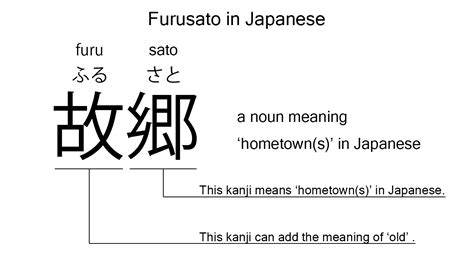
(故郷) literally translates to “old home/village” or “native place,” but the hiragana ふるさと often carries a softer, more endearing connotation, emphasizing the
warm, fuzzy feelings
associated with it. This word truly encapsulates the
essence of belonging
and the irreplaceable memories of where you came from, making it an incredibly rich and meaningful term for any
Japanese language learner
to master.
Guys, understanding this nuance
isn’t just about vocabulary; it’s about
connecting with the heart of Japan
. It signifies a shared cultural understanding of a place that is more than just a dot on a map; it is a repository of personal history and collective memory, often romanticized and held in high esteem, representing a deeply personal sanctuary from the hustle and bustle of modern life.
Shusshin
(出身)
, on the other hand, is a
more factual and practical term
. When someone asks “どこ出身ですか?” (Doko shusshin desu ka?), they’re simply asking “Where are you from?” or “Where were you born/raised?”. It’s a straightforward way to inquire about someone’s
origin or background
, often used in formal settings or when meeting new people. You might say “東京出身です” (Tōkyō shusshin desu) to state you’re
from Tokyo
. While it can refer to your
birthplace
, it’s often used more broadly to describe the
region or city you grew up in
.
This is your objective “hometown”
for identification purposes, without the same emotional baggage as
furusato
.
It’s simply where you hail from
in a matter-of-fact way, making it ideal for introductions and official forms.
Why the Distinction Matters for Learners
Understanding the difference
between
furusato
(ふるさと) and
shusshin
(出身) is absolutely crucial for any
Japanese language learner
aiming for natural and culturally appropriate communication. Using
furusato
when you mean a simple, factual “where are you from?” might come across as overly sentimental or even a bit strange in some contexts, while using
shusshin
when expressing a
deep emotional bond
to your childhood home would miss the mark entirely. Imagine someone asking you at a business meeting, “What’s your
furusato
?” when they simply want to know your place of birth—it just doesn’t fit! Conversely, trying to articulate the
profound nostalgia
for your childhood home using only
shusshin
would fall flat.
This semantic distinction highlights
the richness of the Japanese language and its ability to convey nuanced emotions and specific facts through different vocabulary.
For English speakers
, where “hometown” often covers both aspects, this can be a bit tricky at first. However,
mastering this nuance
will significantly elevate your
Japanese conversational skills
and show a genuine understanding of
Japanese culture
. It allows you to express yourself with precision, whether you’re having a casual chat about where you grew up or sharing
heartfelt memories
of your beloved childhood haven.
Guys, getting this right
is a sign of true fluency and cultural sensitivity, demonstrating that you’ve moved beyond just literal translations. It opens doors to
deeper conversations
and a more authentic connection with native speakers, helping you to truly sound like a local. So, when you’re talking about your
place of origin
, always consider
the context and the emotional weight
you want to convey, as this thoughtful choice will make all the difference in your interactions and appreciation of the language.
Unraveling Hiragana for “Hometown” Terms
Now, let’s dive into the
hiragana characters
themselves for these important “hometown” terms.
Hiragana is fundamental
to reading and writing Japanese, and correctly identifying and writing these characters will solidify your understanding. For
furusato
, we have
ふるさと
. Let’s break it down:
ふ
(fu),
る
(ru),
さ
(sa),
と
(to). Each character has a specific stroke order and sound, and practicing them individually will make a huge difference in your recall and writing fluidity.
Focus on the elegant curves
and clear strokes of each hiragana. Try writing
ふるさと
multiple times, paying attention to the flow and consistency of your characters.
The repetition helps
to embed the visual and motor memory, making it second nature. Knowing
furusato
in hiragana isn’t just about reading; it’s about being able to
write it confidently
and recognize it instantly in any text you encounter. This word is a common sight in
Japanese media
, from song lyrics to children’s books, so
mastering its hiragana form
is incredibly beneficial.
For those eager to learn Japanese
, understanding that
furusato
is often written solely in hiragana, even though it has kanji (故郷), further emphasizes its
softer, more approachable feel
. It’s almost like a term of endearment for a place, a gentle expression that highlights its emotional significance over its factual one.
Guys, don’t underestimate
the power of solid hiragana practice; it’s the bedrock of your
Japanese literacy journey
, paving the way for more complex kanji and grammatical structures.
This foundational skill
is what will enable you to read menus, signs, and eventually more complex texts, making
furusato
a perfect word to practice early on, a welcoming gateway to
unlocking the beautiful Japanese language
.
Next, let’s look at
shusshin
(出身). While this term is predominantly written in
kanji
, it’s crucial to recognize the
hiragana sounds
associated with them for correct pronunciation.
しゅっしん
(shusshin) uses
しゅ
(shu),
っ
(small tsu, indicating a double consonant), and
しん
(shin). The small
っ
is a particularly interesting element as it
doubles the consonant
of the following syllable, creating a brief pause or glottal stop. In
shusshin
, it causes a slight stop before the
shin
sound, making it a crisp “shu-sshin” rather than “shu-shin.”
Practicing words with
っ
is vital for correct pronunciation and rhythm in Japanese, as it’s a common feature in many words. While you’ll mostly see 出身 written,
knowing its hiragana pronunciation
is key to speaking it correctly and understanding its phonetic structure when you hear it spoken, ensuring your communication is both clear and accurate.
The Cultural Significance of Furusato in Japan
The concept of
furusato
(ふるさと) transcends mere geography; it is
deeply interwoven with the fabric of Japanese culture and identity
. This word encapsulates a powerful sense of
belonging, nostalgia, and an enduring connection to one’s roots
. For many Japanese people,
furusato
is not just where they grew up, but a
sacred place
that holds countless cherished memories of childhood, family gatherings, local festivals (matsuri), and the unique seasonal beauty of a specific region. It’s a place that fosters a
strong emotional attachment
, often idealized in memory, representing a simpler, perhaps purer, time, free from the complexities of modern urban life.
This profound connection
is evident in various aspects of Japanese society, from popular
folk songs
and
enka
(traditional Japanese ballads) that frequently sing praises of
furusato
to government initiatives like the “Furusato Nozei” (hometown tax donation system), which encourages people to support their
native towns
financially, even if they’ve moved to big cities like Tokyo or Osaka. The idea of
returning to one’s furusato
during holidays like Obon or New Year’s is a deeply ingrained tradition, symbolizing the importance of family ties and the continuity of generations, a ritual that brings comfort and a sense of enduring stability.
Guys, understanding this cultural emphasis
on
furusato
gives you a significant insight into the
Japanese psyche
and their value system, highlighting their collective appreciation for heritage, community, and the unchanging essence of where one comes from, even in a rapidly modernizing world. It’s a concept that
binds individuals to their past
and provides a stable anchor in a constantly changing present, fostering a unique sense of
collective memory and identity
that is both personal and shared across the nation.
Beyond personal nostalgia,
furusato
also plays a crucial role in
regional revitalization efforts
. Many rural areas in Japan face depopulation as young people move to urban centers for work and education, leaving behind aging populations and dwindling economies. Initiatives that leverage the
furusato concept
aim to draw people back, or at least encourage them to invest in their
hometowns
financially and emotionally. This might involve promoting local specialties, preserving traditional crafts, or developing
eco-tourism
to showcase the unique charm of each region. The
emotional appeal of furusato
is a powerful tool in these campaigns, highlighting the unique charm and value of each specific area. It’s about preserving a way of life and the
cultural heritage
associated with these places, ensuring that the legacy and spirit of these communities continue to thrive for future generations.
Practical Usage: Conversations and Context
So, how do we
practically use
these terms in everyday Japanese conversations? Knowing when to deploy
furusato
(ふるさと) and
shusshin
(出身) correctly will make you sound much more natural and truly
fluent in Japanese
. When you’re just getting to know someone and want to ask about their origins in a general, factual way,
shusshin
is your go-to. You’d typically say, “どこ出身ですか?” (Doko shusshin desu ka? -
Where are you from?
). The reply might be “〇〇出身です” (〇〇 shusshin desu -
I’m from 〇〇
), directly stating their place of birth or upbringing. This is straightforward and factual, perfect for initial introductions or formal settings where emotions aren’t the primary focus. However, if you’re with close friends, perhaps reminiscing, or discussing
childhood memories
and the special feeling of your original home,
furusato
comes into play. You might say, “私のふるさとは小さい町でした” (Watashi no furusato wa chiisai machi deshita -
My hometown was a small town, a place I remember fondly
), conveying a sense of personal attachment. Or, “ふるさとの料理が恋しい” (Furusato no ryōri ga koishii -
I miss my hometown’s food
), implying the food from a place with deep emotional significance, not just any food from that area.
Notice the stark difference in tone and context
.
Furusato
often appears in more personal, reflective, and sentimental conversations, while
shusshin
is suitable for
initial introductions and factual exchanges
.
Guys, practice these phrases
in different scenarios. Imagine yourself talking to a new Japanese acquaintance versus chatting with an old friend. This mental exercise helps solidify the
contextual usage
by making it relevant to your imagined interactions. It’s not just about memorizing definitions; it’s about
feeling the appropriate situation
for each word.
Mastering these distinctions
will not only improve your
Japanese vocabulary
but also deepen your appreciation for the
cultural nuances
embedded within the language, allowing you to connect on a more profound and authentic level with native speakers, truly enriching your communicative experience.
Beyond direct usage, pay attention to how native speakers use these words in
different media
. Watch Japanese dramas, listen to music, and read articles. You’ll quickly pick up on the
emotional resonance
of
furusato
in songs about longing or childhood, versus the factual nature of
shusshin
in news reports or interviews. This exposure will naturally train your ear and mind to
distinguish the appropriate context
, making your understanding more intuitive.
Immersion is key
to internalizing these nuances, turning academic knowledge into
instinctive communication
. The more you encounter them in real-world settings, the more
comfortably and accurately
you’ll use them, seamlessly integrating these words into your own Japanese expression and demonstrating a sophisticated grasp of the language and its cultural underpinnings.
Boosting Your Japanese Learning Journey
Learning Japanese
, especially tricky concepts like
furusato
and
shusshin
, requires a
multi-faceted approach
and consistent effort. First and foremost, consistent
hiragana practice
is non-negotiable. Use flashcards, writing apps, or even good old-fashioned pen and paper to master
ふるさと
and the hiragana elements of
しゅっしん
. Don’t just recognize them; be able to write them quickly and accurately from memory, focusing on correct stroke order and character shape. Next,
contextual learning
is your best friend. Instead of just memorizing definitions, try to associate each term with specific scenarios or feelings. For
furusato
, think of a
warm, nostalgic memory
from your own childhood, perhaps a place or a specific scent. For
shusshin
, think of a
factual introduction
you might give at a formal event.
Immersion is also paramount
. Watch Japanese movies and TV shows, paying attention to how characters talk about their past or where they’re from. Listen to
Japanese music
, especially folk or traditional songs (enka), as
furusato
often features prominently with its evocative imagery.
Don’t be afraid to make mistakes
; they’re an absolutely essential part of the learning process! Engage with native speakers if possible, either online or in person, and try using these words in conversation. Ask them about their
furusato
or
shusshin
—they’ll appreciate your effort and provide valuable real-world feedback.
Guys, remember that consistency
beats intensity every single time. Short, daily practice sessions are more effective than infrequent marathon study sessions, building momentum and solidifying your knowledge over time.
Embrace the journey
, be patient with yourself, and celebrate every small victory as you steadily build your
Japanese language skills
.
To further deepen your understanding,
explore Japanese literature or poetry
that touches upon themes of home and origin. Even simple children’s books can offer
valuable insights
into how these concepts are introduced from a young age, often with charming illustrations that reinforce the meaning. Consider using language exchange partners to discuss your own
furusato
or
shusshin
and listen to theirs. This
active engagement
not only reinforces your vocabulary but also broadens your
cultural understanding
, providing a more holistic learning experience. Remember,
learning a language
is a gateway to understanding a culture, and
furusato
is a perfect example of a word that opens that door, inviting you into a richer appreciation of Japanese life and values.
Wrapping Up Your Hometown Journey
And there you have it, guys! We’ve navigated the beautiful and sometimes intricate world of expressing “hometown” in Japanese. You now know that
furusato
(ふるさと) is that
warm, nostalgic, emotionally charged place
of your childhood dreams, often evoking a sense of deep belonging, while
shusshin
(出身) is your
factual, straightforward place of origin
. We’ve broken down their
Japanese hiragana
forms, showing you how to read and write these crucial terms. Remember, context is king when deciding which word to use, and understanding this nuance is a significant step towards genuine fluency and cultural appreciation. Keep practicing your hiragana, immerse yourself in Japanese media, and don’t shy away from using these words in conversation. Every step you take brings you closer to mastering this incredible language and connecting more deeply with
Japanese culture
. Keep up the fantastic work, and we’ll catch you on the next language adventure!
